How Can You Prevent Water Damage in Your Home? A Complete Homeowner’s Guide

Water Damage Restoration

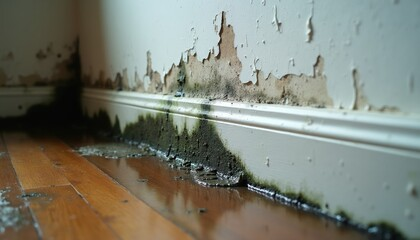
A home is designed to provide comfort, security, and peace of mind, but even the strongest structures can be vulnerable to one of the most persistent threats: water. Unlike dramatic events that cause immediate destruction, water damage often develops quietly. A small plumbing leak, a clogged gutter, or a poorly sealed window can allow moisture to accumulate over time, leading to damaged walls, warped flooring, weakened structural components, and costly repairs.

The good news is that many forms of water damage are preventable with regular maintenance and early intervention. By understanding the most common causes of water intrusion and adopting simple preventive habits, homeowners can protect both their property and their investment for years to come. To learn more, contact the expert at All Pro Services.

Why Is Water Damage Prevention So Important?

Water damage is one of the most expensive and disruptive problems a homeowner can experience because it affects both visible and hidden parts of a property. Moisture can weaken wood framing, stain ceilings, damage insulation, and cause flooring materials to expand or warp. Since water often travels far from its original source, the visible damage may represent only a small portion of the overall problem. A leak that begins inside a wall or beneath a sink can spread unnoticed until significant repairs become necessary. Preventing water intrusion is far easier and less costly than restoring a home after extensive damage.

Protecting a home from water damage also helps preserve its long-term value. Buyers often pay close attention to signs of previous leaks, stains, or moisture issues because they may indicate underlying structural concerns. Routine maintenance reduces the likelihood of these problems while extending the lifespan of roofing materials, plumbing systems, flooring, and other building components. A well-maintained home not only remains more comfortable but also retains its condition over time. Investing in prevention supports both the safety of the home and the financial value of the property.

How Can Regular Plumbing Maintenance Prevent Water Damage?

Plumbing systems are among the most common sources of water damage because they operate every day behind walls, beneath floors, and inside cabinets. Even a slow drip from a loose connection can gradually saturate nearby materials and create hidden damage before homeowners notice a problem. Regular inspections of exposed pipes, shutoff valves, faucets, and appliance connections help identify small issues before they become major leaks. Looking beneath sinks for moisture, corrosion, or discoloration can reveal early warning signs that should be addressed immediately. Routine plumbing maintenance greatly reduces the likelihood of unexpected water damage.

Appliances that rely on water should also be inspected on a regular schedule. Washing machines, dishwashers, refrigerators with water dispensers, and water heaters all contain hoses or fittings that may wear out over time. Flexible supply lines should be examined for cracks, bulges, or signs of deterioration. Replacing aging hoses before they fail is often a simple and inexpensive way to prevent a much larger problem. Paying attention to plumbing systems throughout the home creates an effective first line of defense against water intrusion.

Why Should You Inspect Your Roof and Gutters?

The roof protects the entire home from rain, snow, and changing weather conditions, making regular inspections essential. Missing shingles, damaged flashing, worn sealants, or cracked roofing materials can allow water to enter the attic and eventually reach ceilings and walls. Because roof leaks often begin gradually, homeowners may not notice them until stains or discoloration appear inside the home. Inspecting the roof after severe weather and addressing minor damage promptly helps prevent larger structural issues from developing. Routine roof maintenance is one of the most effective ways to reduce water damage risks.

Gutters and downspouts play an equally important role by directing rainwater safely away from the structure. Leaves, twigs, and debris can clog gutters, causing water to overflow and collect near the foundation or roofline. Overflowing gutters may also damage fascia boards, siding, and landscaping over time. Cleaning gutters regularly ensures proper drainage during heavy rainfall. Downspouts should discharge water far enough away from the home to prevent foundation saturation and basement moisture problems.

How Does Proper Drainage Protect Your Home?

Managing water around the exterior of the home is just as important as maintaining interior plumbing systems. Rainwater that collects near the foundation can gradually seep into basements, crawl spaces, or lower-level walls. Poor grading, blocked drainage systems, or standing water increase the likelihood of foundation moisture problems. Ensuring that the ground slopes gently away from the home encourages rainwater to flow in the proper direction. This simple landscaping principle helps reduce long-term water intrusion risks.

Homeowners should also inspect outdoor drainage systems after heavy rainfall to identify areas where water tends to accumulate. Puddles that remain for extended periods may indicate drainage issues requiring correction. Driveways, walkways, patios, and landscape features should allow water to move naturally away from the structure. Proper drainage not only protects the home’s foundation but also reduces erosion and preserves surrounding landscaping. Maintaining effective water flow around the property is an essential part of comprehensive water damage prevention.

What Areas Inside the Home Should Be Checked Regularly?

Some parts of a home are naturally more vulnerable to hidden moisture than others. Kitchens and bathrooms deserve frequent attention because they contain numerous plumbing fixtures and water supply lines. Homeowners should periodically inspect beneath sinks, around toilets, behind refrigerators, and near dishwashers for any signs of dampness or discoloration. Cabinets should remain dry, and flooring should not feel soft or uneven. Regular visual inspections often reveal small leaks before they spread to surrounding materials.

Attics, basements, crawl spaces, and laundry rooms should also be included in routine maintenance. Attics may reveal roof leaks before interior ceilings become damaged, while basements often show early signs of foundation seepage or plumbing problems. Laundry rooms contain washing machine hoses and drainage systems that can fail unexpectedly if neglected. Even utility closets housing water heaters deserve occasional inspection for corrosion, moisture, or leaks. Visiting these less frequently used areas helps homeowners identify developing problems before they require extensive repairs.

How Can Routine Maintenance Reduce the Risk of Water Damage?

Preventive maintenance involves more than responding when something goes wrong. It requires establishing regular habits that help identify small concerns before they become emergencies. Seasonal inspections provide an opportunity to examine roofing materials, plumbing fixtures, windows, doors, caulking, and weather seals for signs of wear. Replacing worn sealants around windows and exterior openings helps keep rainwater outside where it belongs. These simple maintenance tasks often prevent moisture from entering the home’s structure.

Monitoring indoor humidity is another valuable preventive measure. Excess humidity can contribute to condensation on windows, pipes, and other surfaces, creating conditions that encourage moisture accumulation. Using exhaust fans in kitchens, bathrooms, and laundry rooms helps remove excess moisture generated by everyday activities. Proper ventilation improves indoor comfort while reducing opportunities for hidden water damage. Consistent maintenance throughout the year provides homeowners with confidence that their property remains well protected.

When Should You Call a Professional?

Although many maintenance tasks can be performed by homeowners, certain situations require professional evaluation. Persistent leaks, recurring stains, unexplained musty odors, or visible structural changes often indicate that water damage extends beyond what is immediately visible. Professionals have specialized equipment capable of detecting hidden moisture behind walls, beneath flooring, and inside ceilings. This allows the full extent of the problem to be identified before repairs begin. Accurate moisture detection helps prevent incomplete repairs that leave hidden damage untreated.

Professional inspections are also valuable after major storms, plumbing failures, or appliance leaks. Even if surfaces appear dry, moisture may remain trapped inside building materials where it continues causing damage over time. Early professional assessment often reduces repair costs by identifying affected areas before deterioration spreads further. Seeking assistance promptly helps restore the home more efficiently while protecting structural integrity. Combining homeowner maintenance with professional expertise provides the strongest defense against long-term water damage.

Final Thoughts

Preventing water damage begins with awareness, routine maintenance, and prompt attention to even the smallest warning signs. Regular plumbing inspections, roof maintenance, clean gutters, proper drainage, indoor moisture control, and seasonal home evaluations all work together to reduce the risk of costly water intrusion. While no home is completely immune to leaks or severe weather, consistent preventive care greatly improves the chances of avoiding major structural damage. By making water damage prevention part of routine home maintenance, homeowners can protect their investment, preserve their property’s value, and enjoy greater peace of mind knowing their home is prepared for the challenges that changing conditions may bring.


Can Pest Control Prevent Future Infestations in Your Home?

Pest Control

Few things are more frustrating than dealing with the same pest problem over and over again. Just when homeowners think the ants are gone, another trail appears in the kitchen. After weeks without hearing scratching sounds in the walls, rodents suddenly return. These recurring infestations often leave people wondering whether pest control truly works for long term prevention or if it only provides temporary relief.

The good news is that pest control can absolutely help prevent future infestations when it is combined with proper maintenance and prevention strategies. Modern Pest Control Vero Beach is no longer focused only on eliminating visible pests. It also targets the conditions that attract insects and rodents in the first place. Through regular inspections, preventive treatments, and environmental adjustments, homeowners can significantly reduce the chances of pests returning.

Understanding how preventive pest control works can help homeowners protect their property, reduce long term costs, and maintain a cleaner and healthier living environment throughout the year.

Why Pests Keep Returning to Homes

One of the biggest misconceptions about pest control is the belief that a single treatment permanently removes all future pest risks. In reality, pests constantly search for food, water, warmth, and shelter. Homes naturally provide these conditions, which means insects and rodents are always looking for opportunities to enter.

Even after a successful treatment, pests may return if the factors attracting them remain unchanged. Crumbs on kitchen floors, leaking pipes, standing water, cluttered storage spaces, and small cracks around doors or windows can all encourage new infestations.

Seasonal changes also contribute to recurring pest activity. Rodents often move indoors during colder weather, while insects become more active during warmer and humid months. Outdoor conditions such as heavy rain or drought can also force pests inside in search of shelter.

Because pests are constantly adapting to environmental conditions, prevention requires ongoing effort rather than a one time solution.

How Preventive Pest Control Works

Preventive pest control focuses on stopping infestations before they become serious problems. Instead of waiting until pests are visible throughout the home, preventive strategies aim to reduce the likelihood of pests entering and reproducing indoors.

Modern pest control often uses integrated pest management techniques. This approach combines inspection, monitoring, sanitation improvements, exclusion methods, and targeted treatments to manage pests more effectively.

Inspections play a major role in prevention. Professionals examine homes for entry points, moisture problems, nesting areas, and other conditions that attract pests. Small issues can often be identified and corrected before infestations develop.

Preventive treatments may involve applying barriers around the home, maintaining bait systems, or treating high risk areas where pests commonly enter. These treatments are designed to reduce pest activity while minimizing unnecessary chemical use.

The goal of preventive pest control is not only to eliminate existing pests but also to create an environment that is less attractive and accessible to future infestations.

Common Household Pests That Preventive Control Can Manage

Preventive pest control can help reduce the risk of many common household pests. Ants are one of the most frequent indoor invaders because they search constantly for food and water. Preventive treatments combined with proper sanitation can help stop ant colonies before they establish indoor trails.

Cockroaches are another major concern because they thrive in warm and damp areas. Moisture control, regular inspections, and targeted treatments can greatly reduce the chances of recurring infestations.

Rodents such as mice and rats are often managed through exclusion techniques and ongoing monitoring. Sealing entry points and removing food sources are essential parts of long term rodent prevention.

Termites also benefit from preventive pest management. Routine inspections and protective barriers help detect termite activity early before severe structural damage occurs.

Mosquitoes, spiders, bed bugs, and other pests can also be managed more effectively when preventive measures are taken consistently throughout the year.

Why Routine Pest Inspections Are Important

One of the most valuable parts of preventive pest control is regular inspection. Many infestations begin quietly in hidden areas where homeowners may not notice activity until the problem becomes severe.

Pests often hide behind walls, under floors, inside attics, and in storage spaces. By the time visible signs appear, infestations may already be widespread. Routine inspections help identify warning signs early before pests multiply.

Inspectors look for droppings, moisture issues, damaged materials, entry points, and nesting activity. They also identify environmental conditions that may encourage pests in the future.

Seasonal inspections are especially useful because pest behavior changes throughout the year. Rodents may become more active during colder months, while insects thrive during warm and humid conditions.

Early detection allows homeowners to respond quickly and avoid larger infestations that require more extensive treatment later.

The Role of Home Maintenance in Pest Prevention

Even the best pest control treatments may not prevent future infestations if the home itself continues attracting pests. Home maintenance is one of the most important factors in long term prevention.

Food should always be stored properly in sealed containers, and crumbs should be cleaned regularly. Trash bins should remain tightly closed and emptied frequently to avoid attracting insects and rodents.

Moisture control is equally important because many pests depend on water sources for survival. Leaking pipes, clogged gutters, and standing water around the property should be addressed quickly.

Structural maintenance also helps reduce pest access. Cracks in foundations, gaps around windows, damaged screens, and openings near utility lines create easy entry points for pests. Sealing these openings can significantly lower infestation risks.

Outdoor maintenance matters as well. Overgrown vegetation, wood piles, and clutter near the home provide shelter for pests and increase the likelihood of indoor invasions.

Preventive pest control works best when homeowners combine professional services with consistent maintenance habits.

How Seasonal Pest Control Helps Prevent Infestations

Pest activity changes throughout the year, which is why many homeowners schedule seasonal pest control treatments. These services are designed to target pests during periods when they are most active or likely to enter homes.

During spring and summer, ants, mosquitoes, flies, and cockroaches become more active because warmer temperatures encourage breeding and movement. Preventive treatments during these months help reduce populations before infestations grow larger.

Fall and winter often bring increased rodent activity as mice and rats seek warmth indoors. Seasonal inspections and exclusion work during colder months help prevent rodents from settling inside homes.

Rainy weather can also increase pest problems by driving insects indoors or creating standing water that attracts mosquitoes. Seasonal pest management allows homeowners to stay ahead of changing conditions rather than reacting after infestations appear.

Routine seasonal treatments often provide more consistent protection compared to emergency treatments used only after visible pest activity occurs.

Are Eco Friendly Pest Prevention Methods Effective?

Many homeowners are interested in eco friendly pest prevention because they want safer options for children, pets, and the environment. Fortunately, environmentally conscious pest control methods can still provide strong long term protection when used correctly.

Eco friendly pest management often focuses heavily on prevention rather than excessive chemical application. This includes improving sanitation, reducing moisture, sealing entry points, and eliminating pest habitats around the property.

Low toxicity products, traps, and biological control methods are also commonly used in environmentally friendly pest management programs. These approaches aim to target pests while reducing unnecessary exposure inside the home.

Although some severe infestations may still require stronger treatment methods, combining eco friendly prevention with professional monitoring can effectively reduce future pest problems in many residential settings.

Why Preventive Pest Control Saves Money Over Time

Some homeowners hesitate to invest in preventive pest control because they assume it is unnecessary if no pests are currently visible. However, long term prevention often costs far less than dealing with major infestations and property damage later.

Termites can weaken wooden structures, rodents can damage electrical wiring, and cockroaches can contaminate food and surfaces. Repairing these problems can become extremely expensive if infestations are allowed to continue unnoticed.

Preventive treatments also reduce the likelihood of repeated emergency pest control visits. Catching small problems early is usually much easier and more affordable than treating large infestations after they spread throughout the home.

Beyond financial savings, preventive pest control also protects comfort and peace of mind. Homeowners can feel more confident knowing their property is being monitored and maintained regularly.

The Importance of Long Term Pest Prevention Strategies

Preventing future infestations requires consistency and patience. Pest control is most effective when homeowners view it as an ongoing process rather than a one time event.

Long term prevention strategies involve combining inspections, maintenance, sanitation, and professional treatment into a complete plan. Homes that receive regular monitoring often experience fewer infestations and less severe pest problems overall.

Homeowners should also remain aware of early warning signs such as droppings, scratching sounds, damaged food packaging, or unusual odors. Addressing these issues quickly can prevent pests from establishing larger infestations.

By staying proactive instead of reactive, homeowners create a healthier environment while reducing stress and potential property damage.

Final Thoughts

Pest control can absolutely help prevent future infestations when combined with proper home maintenance and ongoing prevention efforts. Modern pest management focuses not only on eliminating current pests but also on reducing the conditions that attract insects and rodents in the first place.

Routine inspections, seasonal treatments, sanitation improvements, moisture control, and structural maintenance all play important roles in long term pest prevention. Preventive pest control is often more effective and affordable than waiting for infestations to become severe before taking action.

While no home can be completely immune to pests, consistent prevention significantly lowers the chances of recurring problems. Homeowners who invest in proactive pest management often enjoy cleaner, safer, and more comfortable living spaces throughout the year.

Beyond the Keys: The Art and Science of Piano Moving

Piano Moving Denver is far more than a simple relocation task. It is a delicate and precise operation that requires planning, technique, and understanding. Each instrument is not only heavy and bulky but also sensitive and complex. Its weight, structure, and musical integrity make it one of the most challenging items to transport safely.

movers

The complexity begins with the design of the piano itself. Beneath its polished surface lies a network of strings, hammers, and soundboards that must remain in perfect alignment. Any sudden movement, vibration, or shock can disrupt this balance. A single mistake during transport could lead to tuning issues, internal damage, or even complete structural failure. This is why piano moving is often considered a specialized art.

Preparation is the first and most important stage of the process. It starts with a detailed assessment of the piano’s size, weight, and type, as each model demands a unique approach. Upright pianos, for example, require different handling compared to grand pianos, which must often be partially disassembled. The environment also plays a critical role, as movers must measure doorways, staircases, and hallways to plan a safe route.

Protective measures are essential before any lifting begins. The instrument must be wrapped in padded covers to prevent scratches and shield its surface from impacts. Securing the keyboard lid and other moving parts reduces the risk of internal shifting. Even the floor must be protected, as the immense weight of a piano can cause damage during movement. These steps create a controlled environment that minimizes risk before the piano even leaves its original spot.

The actual moving process requires both strength and precision. A piano can weigh anywhere from a few hundred to over a thousand pounds, making manual handling extremely dangerous without proper technique. Special lifting straps, dollies, and ramps are often used to distribute weight evenly and reduce strain. Coordination among movers is vital, as even a slight imbalance can lead to tipping or uncontrolled movement.

Navigating stairs or narrow spaces adds another layer of complexity. Each turn must be calculated and executed with care to avoid collisions or sudden shifts in momentum. In some cases, windows or balconies are used as alternative routes to avoid structural obstacles inside a building. These scenarios highlight why improvisation and adaptability are key skills for piano movers.

One often overlooked aspect of piano moving is climate control. Sudden exposure to humidity, cold, or heat can affect the wood and internal components. Professionals often plan moves around weather conditions or use climate-controlled vehicles to preserve the instrument’s integrity. This attention to environmental factors ensures that the piano arrives in the same condition it left.

Transportation itself is a critical phase that demands secure loading and stability. Inside the vehicle, the piano must be anchored to prevent shifting during transit. Even minor vibrations on the road can cause damage if the piano is not properly secured. Strategic placement within the transport vehicle also helps balance weight and reduces the risk of tipping.

Once the destination is reached, the process does not end with unloading. The piano must be carefully reassembled if any parts were removed, and its final position should be chosen with care. Placement near windows, heating vents, or damp walls can affect tuning and longevity. A stable environment with consistent temperature and humidity is ideal for preserving its sound quality.

After relocation, most pianos require tuning due to the physical stresses of the move. Even if no visible damage occurs, internal shifts often alter the tension of the strings. A professional tuner can restore the instrument’s pitch and ensure it plays as beautifully as before. This final step is the finishing touch that completes the relocation journey.

There are also safety considerations beyond the piano itself. Due to the sheer weight and size, improper lifting techniques can lead to serious injuries. Movers must use proper posture, equipment, and teamwork to prevent accidents. This focus on human safety is just as important as protecting the instrument.

Technology is starting to transform the piano moving industry as well. Advanced lifting devices, modular ramps, and AI-assisted planning tools are improving safety and precision. Digital mapping tools can create virtual layouts of spaces before the move, allowing teams to plan the most efficient path. These innovations reduce risk and improve outcomes in ways that were not possible before.

Environmental sustainability is another emerging concern. As with many specialized services, there is a growing push to reduce the environmental impact of piano moving. Reusable protective materials, fuel-efficient transport vehicles, and eco-friendly logistics strategies are becoming more common. These small changes contribute to a larger effort toward sustainable practices.

The emotional value of a piano often exceeds its monetary worth. Many instruments are family heirlooms, treasured investments, or tools of artistic expression. Treating them with respect during relocation is a way of honoring their history and the memories attached to them. This emotional dimension is why piano movers often view their work as a craft rather than a job.

Insurance and liability are additional considerations that protect both the owner and the movers. Because of the high value of most pianos, comprehensive insurance coverage is essential. It provides peace of mind and financial protection in the rare event of damage. Clear agreements and documentation before the move help ensure transparency and trust.

For those planning a relocation, early communication and collaboration with the moving team can make a significant difference. Sharing details about access points, building layouts, and potential challenges helps movers prepare effectively. The more information they have, the smoother and safer the process will be.

Some people attempt to move pianos without professional help, often underestimating the complexity involved. While possible for smaller instruments, it is rarely advisable for larger models. The risk of injury or damage often outweighs any potential cost savings. Professional services bring expertise, equipment, and peace of mind that are difficult to replicate.

Ultimately, piano moving is about far more than logistics. It is a meticulous process that blends technical skill, physical strength, and deep respect for craftsmanship. Each stage, from preparation to final tuning, requires attention to detail and a commitment to excellence. The result is a safe, seamless relocation that preserves both the instrument’s beauty and its voice.

The future of piano moving will likely become even more sophisticated as technology and sustainability practices continue to evolve. Yet the fundamental principles—care, precision, and respect—will remain unchanged. These timeless values ensure that every piano, regardless of its age or condition, is treated as more than just cargo. It is a piece of history, a vessel of creativity, and a source of joy worth moving with care.

In the end, what makes piano moving truly special is the balance between science and artistry. It is a task that demands not just technical knowledge but also sensitivity to the emotional weight of the instrument. Behind every successful move is a team that understands that a piano is more than wood and strings—it is a living instrument that deserves to arrive ready to create music once again.

Visit our Professional Services Blogs

West Accounting Services, Polycor Countertops, Appliance Repair Cherry Hill, Prism Power Wash, Gardner Tax And Accounting, Kitchen Remodel Cost, Sunrise Towing, Color Cork Flooring, Architectural Design Consultants, Sunny Cleaning, Solar Module Direct, Dr Mark Wiley, West Accounting Services, Visit Red Lake Region, Across America Movers, Karis Transportation, About The Bay Movers, Portland Metro Auto Insurance, Get Healthy Again, The Wow Traveler, Tzar Travel, Technohub IT Services, Maine Business Lending, Garage Door Repair 719, St Croix Tampa, Household Inspector, Hemp Solutions, Hamilton Home Inspection, Mold Removal Remediation Experts, Nine Radiance Furnitures

Furnace Repairs You Shouldn’t Do Yourself

Furnaces use natural gas to heat homes, so working on them requires specialized knowledge and skills. A botched DIY repair job can lead to toxic gas leaks or fires.

Furnace Repairs

Before starting, make sure to turn off the power switch and check if your circuit breaker or fuse has tripped. Also, make sure the vents are open and unblocked.

The thermostat is a critical part of the furnace that monitors and controls your heating system. If this piece of equipment breaks down or malfunctions, it will result in poor heating performance throughout your home. Some basic repairs can be done at home, while others will require professional assistance to ensure your furnace is functioning properly.

If your thermostat is not working, first check to make sure it’s set correctly and that the batteries are charged. If these are not the cause, you should check your breaker box to see if a fuse has blown or the circuit breaker has tripped. These issues can prevent your furnace from turning on and should be fixed immediately to avoid a loss of heat for your home.

Another common issue with the thermostat is that it could have a clogged pilot orifice. If this is the case, you can usually clear the clog with a needle and consult your owner’s manual for specific instructions on how to do so. You can also try to adjust the flame setting to see if this helps. If the flame is too small or too large, this may be a sign that your gas valve is faulty and will need to be replaced by a technician.

Your blower motor and fan need to be free of dust, dirt, and debris to operate effectively. The technician will clean these components and lubricate any moving parts that need it to reduce friction and prevent wear and tear. They will also clean the burners, inspect and test safety controls, and clean the flue pipe.

Many furnace problems can be avoided with annual maintenance and regular tune-ups. A professional can help you determine the best maintenance options for your furnace based on its age, the size of your home, and the type of heating system you have. By catching and fixing minor issues before they become major problems, you can extend the life of your furnace.

Burners

A furnace burner uses a mixture of gas and air to ignite a combustible flame. The resulting heat then heats metal surfaces in sealed combustion chambers known as the “heat exchanger.” This process is designed to maximize the transfer of heat energy to your home’s living space while minimizing harmful emissions.

A faulty burner can cause incomplete combustion that wastes fuel and creates unsafe fumes. When this happens, the gas valve closes and your furnace shuts off. An HVAC professional can fix this issue by cleaning or replacing the burner.

Most modern gas furnaces use surface ignition or an intermittent pilot light to ignite the fuel/air mix. These systems are designed to last the furnace’s lifetime, but they can experience a variety of issues that require repair. These issues may include a defective igniter or a broken heat exchanger. Often, these issues are easy to identify with a quick inspection, but they can be complicated to fix.

Modern high-efficiency natural gas furnaces offer improved energy use and lower heating costs. However, they can be difficult to repair due to their complex designs and electronic components. This means that repairs can take 1-2 hours just to diagnose the problem, and additional time is needed for a full repair or replacement of the burner, ignition system, or heat exchanger.

Many older furnaces still use a standing pilot light that burns continuously, even when the system is turned off. Using a standing pilot light is expensive, inefficient, and dangerous. HVAC professionals can replace this old, inefficient system with a newer, safer intermittent pilot light that only activates when the system is on.

Most issues that occur during a furnace repair begin with a clogged or dirty air filter. This is an easy fix that can be completed at home, but the longer you leave it unattended, the worse the damage will become. In some cases, the air filter may need to be replaced with a new one. Other issues can be prevented with routine maintenance performed by a certified HVAC technician. This includes replacing the air filter, cleaning the furnace vents, and completing annual inspections.

Air Filter

The air filter of a furnace, which also functions to regulate the temperature of incoming air, is an important component that should be regularly replaced. If it becomes dirty or clogged, the system must work harder to distribute warm air throughout the house, thus increasing energy usage and causing the total price of your heating bills to rise. In addition, if the air filter has evidence of microbial growth or mold on it, these particles will circulate throughout the home and can cause respiratory issues for everyone in the family.

Changing your furnace air filter is an easy DIY repair that can be completed by simply taking out the old one and installing a new, clean filter in its place. It is important to use the correct size of filter for your particular system. Also, make sure you don’t install the filter backwards – check your owner’s manual to ensure it is properly installed.

If you suspect your system is having problems, first take a look at the fuse or breaker box to see if any of them have been blown or tripped. This is troubleshooting, not fixing, so don’t attempt any repairs by opening the furnace cabinet with tools.

It is best to have a professional inspect your unit to ensure all components are in good working condition, and that your ductwork is not leaky. It is also a good idea to test the flame sensor to ensure it isn’t coated in residue or clogged. Lastly, it is important to have your professional conduct a blower motor test and ensure the fan blades are clear of debris, lubricated and in proper working order.

Furnaces are essential to keeping your home cozy and comfortable. However, when a malfunction occurs, it can quickly turn your winter nights into unwelcome cold ones. By paying attention to warning signs, such as a dirty air filter or malfunctioning thermostat, you can avoid the need for major repairs and keep your home comfortable all winter long. By committing to routine maintenance, you can save money and extend the life of your furnace.

Motor

The motor is what powers the fan that blows heated air through your ductwork and into your home. It is important to maintain this motor for proper airflow and efficient operation. If the motor begins to deteriorate or develop electrical issues, you may notice poor airflow through vents or your circuit breaker will keep tripping. This is a problem that requires professional repair.

If you are experiencing a loss of power, it’s time to call in a technician for an inspection. The problem could be as simple as a tripped circuit breaker or as complex as a cracked heat exchanger. In either case, it’s best to let the professionals handle this one so that you don’t accidentally try and fix the issue yourself which could result in further damage to your system and potential safety hazards for you and your family.

Major furnace repairs are costly and require a great deal of time, manual labor and skill. These repairs address issues that severely limit or completely inhibit your furnace’s performance. This is a point where it’s worth considering whether or not it would be more cost-effective to replace your system entirely. A good rule of thumb is to compare your repair costs with the price of a new furnace that has improved energy efficiency.

Preventing many furnace problems is a matter of completing regular maintenance such as cleaning or replacing the air filter and vacuuming the interior of the unit and ductwork each year during heavy usage times. In addition, examining your gas line and drip leg for leaks is a smart way to prevent carbon monoxide poisoning. For gas furnaces, this includes inspecting the heat exchanger for cracks. If you smell gas, exit your home immediately and contact emergency services. It’s also a great idea to test your emergency shutoff switch every year. A properly working switch will shut off your gas and water valves, preventing an explosion in the event of an emergency. If the switch isn’t working, it should be replaced right away. The cost of this repair is typically less expensive than the replacement cost of a damaged heat exchanger or other more complicated parts.

Cabinet Refacing Vs Cabinet Refinishing

Cabinet Refinishing Sacramento is an ideal option for homeowners with well-kept cabinet boxes that need a change, but not a total overhaul. Refacing offers a fresh and modern look with a durable finish that is built to last.

Cabinet Refinishing

Traditional or DIY wood refinishing involves sanding down your cabinets before applying new paint. It’s a time-consuming process.

Cabinet refinishing is a cost-effective option that allows homeowners to upgrade their kitchens without spending a fortune. It’s also a time-saving solution, as it can be completed in less time than refacing.

Before refinishing, it’s important to ensure the existing cabinets are in good condition and ready for a new finish. If they’re damaged or outdated, refacing may be the better choice. Additionally, it’s important to consider the desired aesthetic of your new cabinets. If you want a drastic change, refacing is the way to go; however, if you simply want to update your cabinets with a fresh stain or paint, refinishing may be sufficient.

Cabinet Refinishing involves removing the old finish, repairing any damage and sanding surfaces before applying new stain or paint. The process can be messy, but a professional will work hard to minimize the disruption to your home and life during this project. It’s best to choose a professional with extensive experience, a portfolio of previous projects and positive customer testimonials.

Aside from minimizing the timeframe of the project, cabinet refinishing is a more environmentally friendly option than replacing cabinets. Replacing cabinets generates a lot of waste in the form of old doors, boxes and trim, which is sent to the landfill. Refinishing saves resources and eliminates waste by preserving the existing cabinetry.

Choosing a color that suits your personal style is another benefit of cabinet refinishing. You can make your cabinets lighter or darker with a stain, and you can add new details like crown molding or glass panel doors to your design. The options are endless!

Refinishing can be a messy process, but the majority of the work is done on-site, which cuts down on dust and mess throughout your home. It’s also a lot cheaper than a full kitchen replacement, which can be difficult to finance for many homeowners. Regular cleaning with gentle products is the best way to maintain the pristine look of your cabinetry for years to come. Avoid abrasive cleaners, as they can damage the finish and cause discoloration over time. Instead, use a mild soap diluted with water.

Time-Saving

Cabinets are an integral part of any kitchen, serving as both functional and aesthetic backbone of the space. However, over time they can start to show signs of wear and tear that detract from the overall aesthetic and feel of the room. Rather than replacing them, homeowners often opt to refinish their cabinets, which provides a cost-effective and quick way to give the room a new lease on life.

In addition to being more affordable than replacement, cabinet refinishing is also customizable and offers an environmentally conscious alternative. Refinishing involves reusing existing materials and minimizing waste, which is a much more sustainable option than creating and transporting new cabinets. It is also a less invasive process, as the entire cabinet is not removed from its original location but rather reworked to create a fresh look.

The process of refinishing includes an initial assessment to ensure that the cabinets are in good condition and free from damage. Once the cabinet is deemed to be structurally sound, the old doors and drawer fronts are removed, the surface is prepped by cleaning and sanding, and a primer is applied to ensure better adhesion of the new finish. Once the primer is dried, the cabinet can be refinished using stain or paint in any color of your choice.

When choosing a color, consider the overall design of your home and how your cabinet finishes will complement it. Light colors can make a room feel bright and airy, while darker finishes can add warmth and elegance. You can even choose to add a glaze or distressing to your cabinets to further personalize the look.

While the refinishing process can be completed by a DIY, it is typically best to hire a professional. The experience and expertise of a qualified team will ensure that your finished product is flawless. They will know how to prep the surfaces, what type of paint or stain to use, and how many coats of each to apply for a durable finish. They will also be able to spot potential problems and fix them before they become more serious.

Customizable

Cabinet refinishing offers an unlimited range of customization options, while also being more affordable than refacing. However, the condition of your existing cabinets and your desired aesthetic play a role in determining whether refinishing or refacing is the better option for your home.

Refinishing involves working with your existing cabinet doors and applying a new coat of paint to them. This allows you to completely customize the look of your space while preserving your existing cabinet frames and hardware. This allows you to create a more modern or classic look, depending on your preferences.

The process of refinishing can be messy and time-consuming, but it is possible to make the project as stress-free as possible. By carefully masking off any areas you don’t want to get paint on, you can minimize the amount of work and cleanup required. It is also important to take the time to properly prepare your cabinet surfaces before refinishing them. This includes removing any grease or grime from the surfaces and sanding them down to provide a smooth surface for the new paint.

Choosing the right color is another crucial step when refinishing your cabinets. Before committing to a particular color, it is recommended that you purchase sample pots of paint and apply them to large boards or pieces of cardboard. Observe the colors in natural and artificial lighting to see how they appear throughout the day, and pay attention to the undertones of each color. You may be tempted to go for the trendy blues or grays, but by choosing a color that will last for years to come, you can ensure your cabinet renovation is a long-term investment in your kitchen.

Another aspect to consider when deciding on refinishing or refacing is your desire to change the style of your existing cabinet doors. Refinishing can only be done with the existing style of your cabinet doors, so if you are looking to make a major change in the aesthetic of your room, refacing may be a better option.

Whether you are refacing or refinishing, a cabinet upgrade can revitalize your kitchen and make it a place that you love spending time in. With a wide variety of colors and finishes available, there is sure to be an update that will match the overall look and feel of your kitchen.

Environmentally Friendly

Choosing to refinish rather than replace cabinets is an environmentally friendly option that eliminates waste. Replacing cabinets typically involves tearing out old, perfectly functional units and sending them to landfills, where they will contribute to overcrowded waste sites. Refinishing, on the other hand, saves perfectly usable materials by extending their lifespan through a new coat of paint or stain. This process also reduces the demand for fresh materials and energy, minimizing your project’s impact on the environment.

Cabinet refinishing is especially eco-friendly when done with low or no VOC (Volatile Organic Compounds) finishes. These products emit fewer harmful fumes during application and can significantly improve indoor air quality over time, protecting the health of your family and friends.

VOC-free refinishing products are available in a variety of finishes to meet your aesthetic preferences and match your home’s decor, from traditional to modern. Some of these products use recycled or reclaimed wood, which helps conserve natural resources and offers a unique look for your kitchen. Others utilize a paper composite or recycled glass for durability and visual appeal.

Refinishing is not as invasive as replacing cabinets, so you can still live in your home while the work is done. This method is also more efficient and will not leave your kitchen unusable for days or weeks, as may be the case with a complete replacement project.

If you’re considering a cabinet refinishing project, be sure to empty your cabinets of any items and remove the hardware. It’s also important to prep the surface properly, so it can accept a smooth, even coat of finish without streaks or brush marks. Finally, it’s a good idea to hire professional cabinet painters to ensure a high-quality result. Their experience and expertise will help ensure your cabinets last longer and look great for years to come.

Garage Door Repair Solutions to Restore Safety and Functionality at Home

The garage door is one of the most frequently used and yet most overlooked components of a home. It plays a critical role in maintaining household security, providing convenient access, and enhancing curb appeal. Over time, however, daily wear and tear, weather exposure, and mechanical issues can lead to malfunction or complete failure. When that happens, it not only disrupts daily routines but also compromises the safety and functionality of the home.

Fortunately, there is a range of garage door repair solutions available to address both minor issues and major breakdowns. From replacing worn-out parts to recalibrating complex mechanisms, professional repair services can help homeowners restore proper operation and peace of mind.

garage door

The Importance of a Fully Functional Garage Door

A garage door is more than just a point of entry—it serves as a barrier between your home and the outside world. It helps secure vehicles, tools, and personal belongings while often providing access to the interior of the house. When the door isn’t functioning properly, it can leave the home vulnerable to break-ins, weather damage, and safety hazards.

In addition, modern garage doors often include safety sensors, remote openers, and other features that can malfunction if not properly maintained. A faulty door can lead to accidents, especially involving children, pets, or vehicles.

Restoring your garage door to optimal working condition is essential for maintaining both safety and convenience in your daily life.

Common Garage Door Problems That Require Repair

Several issues can affect the performance of a garage door. Some of the most common include:

  • Broken Springs: Torsion or extension springs do the heavy lifting of raising and lowering the door. When they break, the door can become difficult or impossible to open.
  • Worn Cables: Steel cables assist the springs and keep the door balanced. Frayed or snapped cables pose a serious safety risk and need immediate attention.
  • Misaligned Tracks: If the tracks that guide the garage door become bent or misaligned, the door may stick, wobble, or come off track entirely.
  • Malfunctioning Openers: Electrical issues with the opener unit can prevent the door from responding to remote controls or wall switches.
  • Damaged Panels: Dents or cracks in the door panels can affect both appearance and functionality, especially in sectional garage doors.
  • Sensor Failures: Faulty safety sensors can cause the door to reverse unexpectedly or refuse to close completely.

Identifying and addressing these problems early is crucial to avoiding further damage and costly replacements down the line.

Repair Solutions for Long-Term Functionality

When issues arise, a variety of professional repair solutions can restore the garage door’s operation and extend its lifespan. Here are several effective approaches:

a. Spring and Cable Replacement

Replacing broken or weakened springs and cables restores the door’s ability to open and close smoothly. Professionals have the right tools and training to safely handle these high-tension components.

b. Track Realignment or Replacement

If the tracks are bent, misaligned, or obstructed, they can be adjusted or replaced to ensure the door moves evenly along its path.

c. Opener Repair or Reprogramming

Garage door openers may require rewiring, part replacement, or simple reprogramming. Troubleshooting the motor, sensors, and remote connections can often resolve non-response issues.

d. Panel Repair or Section Replacement

For cosmetic or structural damage to panels, repairs or replacements can restore both the door’s look and its insulation properties. In many cases, individual sections can be replaced without needing a whole new door.

e. Lubrication and Maintenance

Regular lubrication of hinges, rollers, and springs reduces friction and prevents noise and wear. Scheduled maintenance keeps the door operating quietly and efficiently.

Safety First: Why DIY Isn’t Always the Best Option

While some homeowners may be tempted to fix garage door issues themselves, many repairs involve heavy components and complex mechanisms that can be dangerous without proper training. Torsion springs, for example, are under extreme tension and can cause serious injury if handled incorrectly.

Professional technicians are equipped with the knowledge, tools, and safety protocols to perform repairs quickly and safely. Hiring a professional reduces the risk of further damage and ensures the job is done right the first time.

Preventive Maintenance for Lasting Performance

Beyond emergency repairs, preventative maintenance is key to keeping your garage door in optimal condition. Routine inspections, timely lubrication, and part replacements can significantly reduce the likelihood of unexpected failures.

Some signs that your garage door may need attention include:

  • Unusual noises during operation
  • Sluggish or uneven movement
  • Gaps or drafts around the edges
  • The door does not stay in place when open

Addressing these signs early on helps avoid major repairs and extends the lifespan of your garage door system.

Boosting Home Value and Curb Appeal

A properly functioning and well-maintained garage door contributes to the home’s overall value. It improves energy efficiency, enhances security, and adds aesthetic appeal. Whether you’re planning to sell or simply want to maintain your investment, keeping your garage door in top condition is a smart decision.

In some cases, if the door is outdated or severely damaged, replacing it entirely with a modern, insulated model can significantly boost resale value while reducing heating and cooling costs.

A garage door is an integral part of your home’s structure and daily operation. When it malfunctions, it can disrupt routines, compromise security, and pose safety risks. Fortunately, with professional garage door repair solutions, homeowners can restore full functionality and peace of mind.

From replacing springs and cables to fixing openers and realigning tracks, timely repair work ensures your garage door operates safely, quietly, and efficiently. Regular maintenance and prompt attention to warning signs can prevent costly breakdowns and help preserve the value and comfort of your home for years to come.

Types of Retaining Walls

Retaining walls stabilize slopes and prevent soil erosion, converting unused spaces into usable areas. They can also create a level area for patios or driveways.

Retaining Walls

While some retaining walls can be built as DIY projects, professional installation ensures structural integrity and longevity. Hiring contractors offers benefits like faster installation, access to superior materials, and a variety of wall designs.

Retaining walls prevent soil erosion and provide stability to the area they surround. They can also create functional gardening and entertaining areas in sloped or uneven terrain. Moreover, retaining walls increase the overall value of your property, as potential buyers will be attracted to a well-maintained landscape.

There are two primary types of retaining walls: gravity and reinforced. The type you choose depends on the specific project and site requirements. For example, a reinforced retaining wall may be better for projects requiring a higher wall height or more complex soil conditions than a gravity wall.

Reinforced retaining walls combine soil and reinforcement materials to form a stable structure. They are often used for sites with poor soil conditions and can be built to a variety of heights. They can also be constructed with a range of facings, such as concrete, stone or vegetation.

Retaining walls can prevent sinkholes by helping to redirect water flow away from the affected area. By preventing the accumulation of water and allowing it to drain naturally, retaining walls help prevent the collapse of the rock that forms a sinkhole.

Compared to other retaining wall construction options, MSE walls are quick and easy to build. This makes them a popular choice for highways, bridge abutments and other civil engineering projects. MSE walls use a series of layers of geogrids embedded in the soil to strengthen the structure. They are then mechanically connected to a range of facings, such as precast concrete blocks and panels, gabions or crib walls.

With a design that can withstand high pressures and resist deformation, MSE walls are one of the most durable and low maintenance types of retaining walls available. They can be designed to a range of heights and soil conditions, including seismic events. In addition, they are an excellent option for steep slopes where a gravity wall is not feasible.

Gravity Walls

Retaining walls provide much-needed stability for sloping property areas. They also enhance and beautify landscapes. Many Portland area homeowners want to address sloping areas of their property to maximize usable land and add aesthetic value. Fortunately, there are several types of retaining walls to choose from to meet your project needs and goals.

The most basic type of retaining wall is the gravity retaining wall. These are engineered structures that rely on their own weight and a strategic setback to counteract soil pressures. They can be built from a variety of materials including concrete, stone and brick. They are typically shorter than other retaining wall types.

In addition to their ability to resist lateral soil pressures, gravity walls can help direct water flow. This is especially important when a slope is located near a body of water. This can reduce the risk of flooding and improve overall soil conditions.

Unlike reinforced retaining walls, gravity walls don’t utilize anchors or leverage and are usually constructed from segmented concrete blocks or mortarless stone. They may also have a “batter” setback that helps improve stability by leaning back into the retained soil. They are more cost-effective than other retaining walls and require less maintenance over time due to their simple construction.

Gravity block walls are a popular option for many projects. Their large interlocking concrete blocks offer durability, versatility and installation efficiency. They are available in a wide variety of finishes and colors, making them a great choice for achieving a wide range of architectural styles. Using high-performance concrete, these walls are designed to last and require less maintenance than other retaining wall types.

Generally, they are more economical than reinforced walls as they do not require steel rebar reinforcement. However, the cost of a retaining wall will vary based on its height and complexity.

Reinforced walls are better suited for steeper slopes and can handle higher soil loads than gravity walls. They can also be used in areas where water or airflow might cause erosion problems. However, reinforced walls are more expensive than gravity walls.

Cantilever Walls

A cantilever retaining wall is an extremely strong type of masonry retaining wall. These walls are built in places where a geogrid or gravity retaining wall cannot meet the structural requirements of the project due to right-of-way restrictions, tight excavation areas or other constraints. A cantilever retaining wall is built by tying the base course, several courses – or even the entire retaining wall itself – with rebar and concrete fill throughout to achieve added strength. The result is a retaining wall that resists overturning and sliding from lateral pressures like those that act upon a telephone pole buried in earth.

Cantilever retaining walls are typically built with a reasonably thin vertical stem of steel-reinforced cast-in-place concrete or mortared masonry like CMU blocks. These walls can be precast or constructed on-site. They can be designed to be either sloping or straight. The sloping wall design allows for the addition of terraced gardens on the side of the retaining wall, while the straight style can help provide access to the back of the property.

The height of the retaining wall, soil conditions, location and exposure all determine the need for drainage provisions. For example, in areas that are subject to heavy rainfall or freezing temperatures, a continuous drain along the back face of the retaining wall may be required.

A retaining wall footing must be properly designed to ensure that the bearing pressure at the base of the footing does not exceed the allowable soil bearing pressure. This is accomplished by using a computer program such as ASDIP RETAIN that demonstrates the stresses and moments in the footing.

The main load on a retaining wall occurs on the backfill side. However, there are also lateral loads acting on the front of the retained soil. These lateral loads can be distributed evenly or can have a strip load effect at the top of the retainer. The ASDIP RETAIN program shows how these load combinations affect the shear and moment in the wall’s stem. This helps engineering professionals select the most appropriate reinforcement for the structure and ensure that the retaining wall meets its structural requirements.

Stone or Brick Walls

When you want to create an old world feel with your landscape, stone walls are a good choice. They offer an all-natural, eco-friendly appearance that blends seamlessly into outdoor environments. Stone is also extremely durable and can stand up to harsh weather conditions, heavy loads and long-term use. Additionally, stone offers a variety of colors, shapes and textures that can match any architectural style. However, it can be expensive and labor intensive to build.

A stone veneer retaining wall, which uses thin stones covering a block foundation, is a cost-effective alternative to natural stone. It’s a popular option for country, colonial and English garden style landscaping. However, it requires a lot of water to support the structure, so it’s important to properly drain around the wall to prevent erosion.

Brick retaining walls offer a classic look that suits most architectural styles. They’re easy to maintain, as they only require occasional cleaning to remove dirt and stains. Brick is also a sustainable material for building homes, as it’s an excellent insulator that helps regulate indoor temperatures and reduce energy costs.

CMU, or concrete masonry unit, walls are another affordable and versatile choice for retaining walls. These blocks are made from cement, crushed rock and aggregate, and can be used in a wide range of design options. They’re commonly used for walls up to nine feet in height, and they’re an effective solution when you need to stabilize a slope. Like SRW and poured walls, it’s a good idea to install a weep drain in the bottom of a CMU wall for proper drainage.

You may have seen this type of retaining wall before—they’re the kind that appear next to a supermarket or other commercial buildings. They’re usually built to withstand the lateral pressure of soil and are quite sturdy when constructed correctly. However, they aren’t as attractive as other retaining wall designs.

Whether you’re using them for practical purposes or simply as an aesthetic addition to your home, retaining walls are a smart investment. But, to ensure your retaining walls last for decades to come, it’s essential that you choose the right materials and have a reliable masonry contractor on hand.

The Silent Battlefield of Money Wars

Power often wears the mask of wealth. It shapes decisions, builds empires, and dismantles futures. Yet behind every financial choice lies a hidden conflict. Money is not just a tool, but a weapon in a war that few admit exists.

marketing

The concept of Money Wars is not new, but its modern form is far more complex. It no longer revolves around visible battles of trade or market competition. Instead, it thrives in subtle arenas where algorithms, influence, and perception shape outcomes. The most powerful players now fight not with armies, but with economic leverage and silent strategies.

In this battlefield, value itself is weaponized. Currency once served as a neutral medium of exchange, but now it acts as a tool for control. Economic systems are designed to reward those who understand how to bend money to their will. Those who fail to adapt become pawns, unknowingly fueling the ambitions of others.

The first front of this war exists in the digital realm. Transactions once handled in physical spaces are now governed by invisible forces. Automated trades, predictive analytics, and complex systems quietly shift wealth from the uninformed to the informed. This dynamic creates invisible hierarchies, where control over data equates to control over money itself.

But money wars are not fought by machines alone. Human behavior is still the most valuable currency. The ability to influence decisions, guide perceptions, and manipulate desires determines who wins and who loses. This psychological dimension of financial conflict is often overlooked, yet it is the most decisive.

In this struggle, even scarcity is manufactured. Limiting access to resources or creating artificial demand can shift entire markets overnight. Those with the power to create or destroy scarcity dictate the direction of wealth. The losers are often unaware they are playing a game whose rules they never wrote.

Another critical arena of money wars is the competition for attention. In a world saturated with information, capturing focus is equivalent to capturing revenue. Entire industries are built around extracting financial value from moments of human interest. The more attention one controls, the more wealth they can command.

This shift has created new power structures that defy traditional economic thinking. Influence now often outweighs capital, and perception can become more valuable than production. Those who master narratives can build fortunes without tangible assets, while those who rely solely on physical goods struggle to keep up.

Money wars also manifest in the subtle art of regulation and policy shaping. Laws, once designed to protect fairness, can be manipulated to favor specific interests. Wealth grants access to decision-makers, and with access comes the power to rewrite the rules of engagement. The battlefield expands beyond markets and into the corridors of authority.

The evolution of money wars has also transformed the nature of risk. Traditional investors once feared market crashes or interest fluctuations. Now, they must navigate cybersecurity threats, algorithmic manipulations, and global shifts in sentiment. The tools of warfare have multiplied, and so have the vulnerabilities.

Yet, amidst this ongoing conflict, there are opportunities hidden in plain sight. Those who understand the mechanisms of money wars can reposition themselves not as victims, but as players. Knowledge of how wealth is created, transferred, and controlled becomes a strategic advantage. The more one learns, the less they are controlled by forces beyond their understanding.

This awareness is particularly vital for individuals and small players who often feel powerless in the face of massive financial systems. Empowerment begins with education, with a deeper understanding of how the flow of money truly works. Recognizing manipulation, understanding incentives, and seeing through manufactured scarcity are key defensive strategies.

However, the war is not purely economic. It is deeply cultural, influencing identities and shaping societies. The distribution of wealth affects what people value, how they behave, and what they believe is possible. Money becomes a narrative tool, rewriting aspirations and defining what success means.

This cultural dimension is perhaps the most dangerous because it normalizes inequality. It convinces people that imbalance is inevitable, that some are destined to win and others to lose. But this belief is itself a weapon, designed to discourage resistance and perpetuate control.

The battle also extends into technological frontiers. Emerging systems promise decentralization, but even these can be co-opted. Innovations once hailed as equalizers can become tools for further concentration of wealth. The pattern remains the same: those who adapt early dominate, while latecomers pay the price.

Money wars also reveal a paradox at the heart of modern society. Wealth is more abundant than ever, yet inequality continues to widen. Opportunities for financial empowerment exist everywhere, but so do traps designed to extract value from the unaware. This paradox fuels the ongoing tension between freedom and control.

Even environmental and social issues are now part of the battlefield. Financial decisions determine how resources are allocated, how sustainability is prioritized, and how communities are shaped. Money decides whether change occurs or stagnation persists. It is the invisible hand guiding the visible outcomes.

At the individual level, the war becomes personal. Every decision about saving, spending, investing, or consuming is part of a larger system of influence. Each choice either strengthens or weakens one’s position in the broader conflict. Awareness of this connection transforms passive participants into active strategists.

The future of money wars will likely be more decentralized and unpredictable. As technology accelerates and societal values shift, new arenas of conflict will emerge. Control over digital identity, intellectual property, and virtual assets will become as critical as control over traditional currency. The lines between financial, political, and social power will blur further.

In this evolving landscape, adaptability is the most valuable asset. Those who cling to outdated strategies will find themselves outmaneuvered. Success will require continuous learning, strategic thinking, and the courage to challenge conventional wisdom. The winners of tomorrow’s money wars will be those who see beyond short-term gains and understand the deeper structures of power.

Yet, the question remains: can the war ever truly end? As long as scarcity exists and as long as power can be concentrated, conflict over money will persist. But perhaps the goal is not to end it, but to fight it more consciously — with awareness, ethics, and a commitment to equity.

Money has always been more than numbers in an account. It is influence, control, and narrative woven into the fabric of society. Recognizing this transforms the way we engage with it. It turns us from passive subjects of economic forces into active architects of our financial destiny.

The silent battlefield of money wars is everywhere — in our devices, our decisions, and our daily lives. We may not always see the combatants, but their strategies shape our realities. And in this hidden war, awareness is not just power. It is survival.

In the end, understanding the nature of money wars allows us to reclaim our agency. It empowers us to resist manipulation and to design systems that serve collective good rather than concentrated power. The conflict will continue, but those who understand its rules will never again fight blind.

Veiled Light: The Modern Transformation of Window Tinting

Sunlight can be both beautiful and brutal. It brings warmth but also exposes what lies behind glass. Window Tinting Denver has evolved into something far beyond shading; it’s a balance between design, comfort, and sustainability. What once began as a simple privacy solution now stands as a symbol of modern living.

Window Tinting

The new era of tinting focuses not just on appearance but on experience. It’s about how light enters a space, how it feels, and how it affects those within it. The technology behind it has quietly reshaped the way people live, work, and travel. This subtle layer of film is becoming a major element of intelligent design.

Every surface that interacts with sunlight faces challenges. Glare, heat, and fading are everyday issues that window tinting now addresses with innovation. What’s striking today is how adaptable these films have become. They react to environmental conditions, adjusting tone or clarity as the light shifts.

The artistry behind modern tinting lies in precision. Manufacturers are developing films with micro layers that manipulate light wavelength. This delicate science creates balance—letting in natural brightness while reducing heat transmission. The result is comfort without compromise.

Window tinting also embodies an environmental consciousness. By reducing energy demands for cooling, it supports sustainability goals. It’s a quiet yet effective ally in lowering carbon footprints. In many ways, tinted glass has become an invisible participant in climate awareness.

Privacy remains one of its strongest appeals. Yet, privacy today is about more than hiding from the outside world. It’s about controlling perception—choosing how much of your space you wish to share. Tinted windows give that power in a gentle, elegant way.

As digital technology influences architecture, tinting systems have evolved too. Smart films now connect with automation, responding to voice commands or preset schedules. Imagine a window that knows when you need shade or when you want the view back. That fusion of convenience and innovation defines the new tinting experience.

In vehicles, window tinting has taken on another dimension. It’s no longer limited to aesthetic appeal but directly affects safety and focus. The right tint reduces eye strain, keeps interiors cool, and protects passengers from harsh UV rays. It’s comfort, safety, and performance working together seamlessly.

The rise of reflective tints has also sparked aesthetic revolutions. Modern buildings use it to create mirror-like surfaces that shift color throughout the day. This play between reflection and transparency brings dynamic energy to urban landscapes. Tinting has become an artistic expression, not just a functional one.

Even in interior design, tinted films find their place. Transparent partitions, once bland, now transform rooms with subtle gradients and soft color tones. They provide privacy without confinement, blending openness with intimacy. This application redefines how space is perceived indoors.

Technology continues to refine how tinting interacts with light. Some experimental films now harvest solar energy while maintaining visibility. These hybrid materials could redefine the relationship between architecture and sustainability. The window of tomorrow might power the very space it shades.

One of the most overlooked aspects of tinting is its emotional effect. Light influences mood, and tinting becomes a tool for psychological comfort. Softer tones reduce tension, while controlled brightness promotes calm. In a world overloaded with stimuli, these subtle shifts matter more than ever.

Safety has also grown as a focus. Films now include shatter-resistant properties, keeping glass fragments intact upon impact. This feature brings peace of mind in both homes and vehicles. A small layer, yet one that can make a vital difference in unexpected moments.

The maintenance of modern tints has improved dramatically. Older films would peel, fade, or bubble over time. Now, advanced adhesives and coatings extend lifespan and performance. The transformation lies not in visibility but in durability and consistency.

Some innovators are exploring biodegradable tint materials. The goal is to align aesthetic enhancement with environmental responsibility. If successful, window tinting could enter a new chapter of eco-friendly architecture. That concept alone hints at how versatile this industry has become.

Customization remains a defining trend. Tint levels, hues, and textures can now reflect personality or brand identity. A minimalist space may prefer a near-invisible shade, while others experiment with artistic films that add character. Tinting becomes a silent extension of self-expression.

The health benefits of modern tinting deserve recognition. Beyond UV protection, it shields interiors from blue light exposure, which can disrupt sleep cycles. It protects skin, eyes, and materials with invisible care. Such protection transforms everyday glass into a guardian of wellness.

Energy efficiency drives the rising demand for tinted solutions in architecture. Buildings that integrate high-performance films consume less power while maintaining visual comfort. It’s a cost-saving measure that aligns with environmental ethics. This practicality strengthens the role of tinting in sustainable development.

Designers now treat tinted glass as a storytelling element. It guides how people move, see, and feel within a space. A corridor lined with gradual tint evokes serenity, while a sharply reflective facade expresses boldness. Each shade tells a subtle story of purpose and intention.

Cultural symbolism around tinted windows has also evolved. What once signified secrecy or luxury now represents mindfulness and environmental design. It speaks of awareness—of the world outside and the space within. The tint becomes a metaphor for balance between visibility and protection.

Automotive innovations continue to redefine tinting technology. Some vehicles feature adaptive tints that shift darkness levels instantly. Others combine tinting with heads-up displays for clearer, distraction-free navigation. It’s a seamless blend of safety and sophistication.

People often underestimate the sensory impact of window tinting. It changes how sound resonates, how heat feels, and how vision adapts. Even the quality of stillness within a room is affected. In this way, tinting subtly alters perception without the observer realizing it.

Advancements in nanotechnology are shaping the next generation of films. Nanoceramic coatings, though invisible, block infrared rays with high efficiency. This keeps interiors cooler without darkening the glass. Science has quietly turned transparency into protection.

Window tinting also contributes to urban harmony. Reflective surfaces help reduce heat absorption in dense areas, moderating microclimates. The effect may seem minimal individually but becomes significant collectively. Each tinted pane participates in the ecosystem of the city.

Privacy laws and regulations continue to evolve alongside these innovations. Designers and consumers alike navigate standards that balance safety and freedom. This conversation ensures technology progresses responsibly. Tinting remains both art and compliance, aesthetic and ethical.

The tactile feel of tinted glass has improved as well. The smoothness, clarity, and texture now reflect premium quality. When touched, it feels cool and resilient, signaling refinement. This sensory detail completes the experience of design integration.

Interior designers have also found new ways to blend tint with lighting. Softly tinted partitions paired with warm lighting create inviting atmospheres. The interaction of light and color turns ordinary glass into living art. Tinting becomes a dialogue between materials and emotion.

Even the psychology of transparency is shifting. Spaces with adjustable tint empower users to shape their environment. The act of dimming or revealing light becomes a gesture of control. It transforms the simple window into an instrument of mood and identity.

In workplaces, tinted glass plays a quiet role in productivity. Reducing glare helps maintain focus during long hours. The visual comfort contributes to better attention and creativity. It’s a small intervention that produces meaningful effects.

Homes also benefit from the subtle luxury of tinted glass. Morning light filtered through warm tones feels softer and more personal. It turns ordinary spaces into sanctuaries of calm. The aesthetics merge seamlessly with practicality.

In the art world, window tinting is finding expression through installations. Artists use reflective films to explore themes of perception and identity. These works challenge viewers to see light as both material and metaphor. It’s creativity born from a technical medium.

Future developments in tinting are heading toward full interactivity. Imagine surfaces that adjust automatically based on emotional cues or environmental readings. The window becomes alive, responsive, and conscious. This possibility redefines what glass can be.

The story of window tinting is one of evolution and intention. From simple shading to complex innovation, it embodies how technology refines human comfort. Each advancement reflects our desire to coexist gracefully with light. It’s a dialogue between nature and invention.

What makes this transformation extraordinary is its subtlety. The impact of tinting is often felt more than seen. It works quietly, improving life without demanding attention. That restraint is what gives it timeless beauty.

As sustainability and design continue to merge, tinting will play an even greater role. It will shape how cities reflect sunlight and how homes breathe within their environment. It’s not just an accessory—it’s part of a global design philosophy.

The quiet sophistication of tinted glass mirrors the modern world’s values. Discretion, efficiency, and aesthetics converge in one transparent layer. Window tinting, once a niche craft, has matured into a defining feature of modern design.

In the end, its purpose extends beyond comfort or style. It teaches balance—the art of letting in just enough light while keeping the rest at bay. Window tinting stands as proof that sometimes, progress shines brightest when it gently dims the world around it.